What it represents
Seserahan is a gesture of seriousness and care from the groom's family. Each item carries a small wish for the couple's life together.
Choosing with care
Ask the bride's family what would be useful. Presentation matters, but a gift that is used every day is remembered longer.
- Sort items by theme
- Wrap in matching trays
- Include a handwritten note
Common items and their meanings
Seserahan contents vary by region and family, but many sets share familiar items. Each one carries a hope for the couple's new life together.
Ask both families which items are expected. Some traditions require specific pieces, such as betel leaves or traditional cakes, while others leave the choice open.
- Prayer set, for a marriage grounded in faith
- Cloth and clothing, for a life of dignity
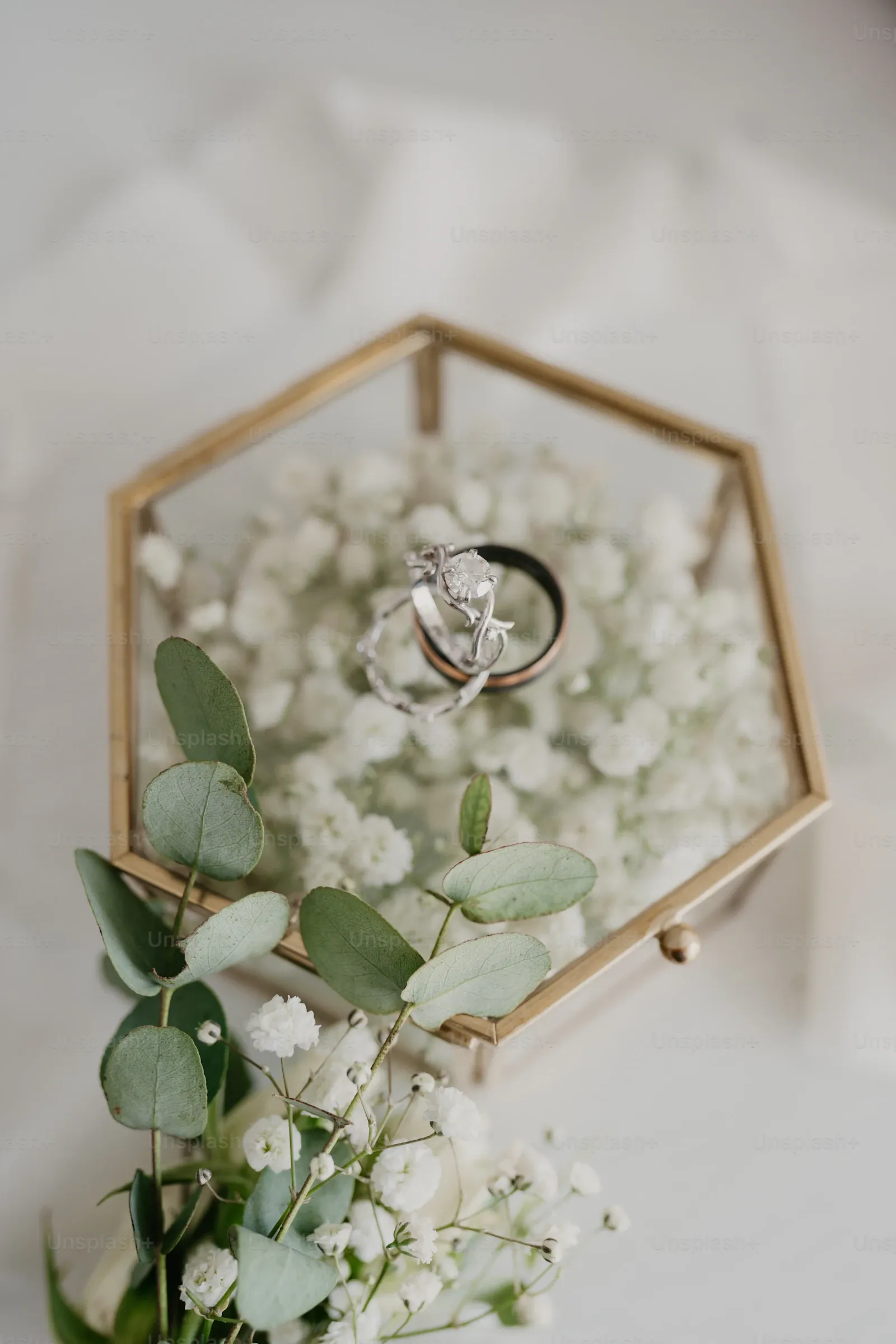
- Jewellery, for a strong and lasting bond
- Traditional cakes, for a sweet and close relationship
- Fruit, for blessings and a fruitful family
Presentation that feels personal
Seserahan is usually displayed in decorated trays or boxes. Choose a style that matches the wedding palette, and keep labels small and elegant so the gifts remain the focus.
Many couples now use reusable boxes made of wood or rattan, which the bride can keep and use at home. It is a thoughtful choice that also reduces waste.
Handing it over
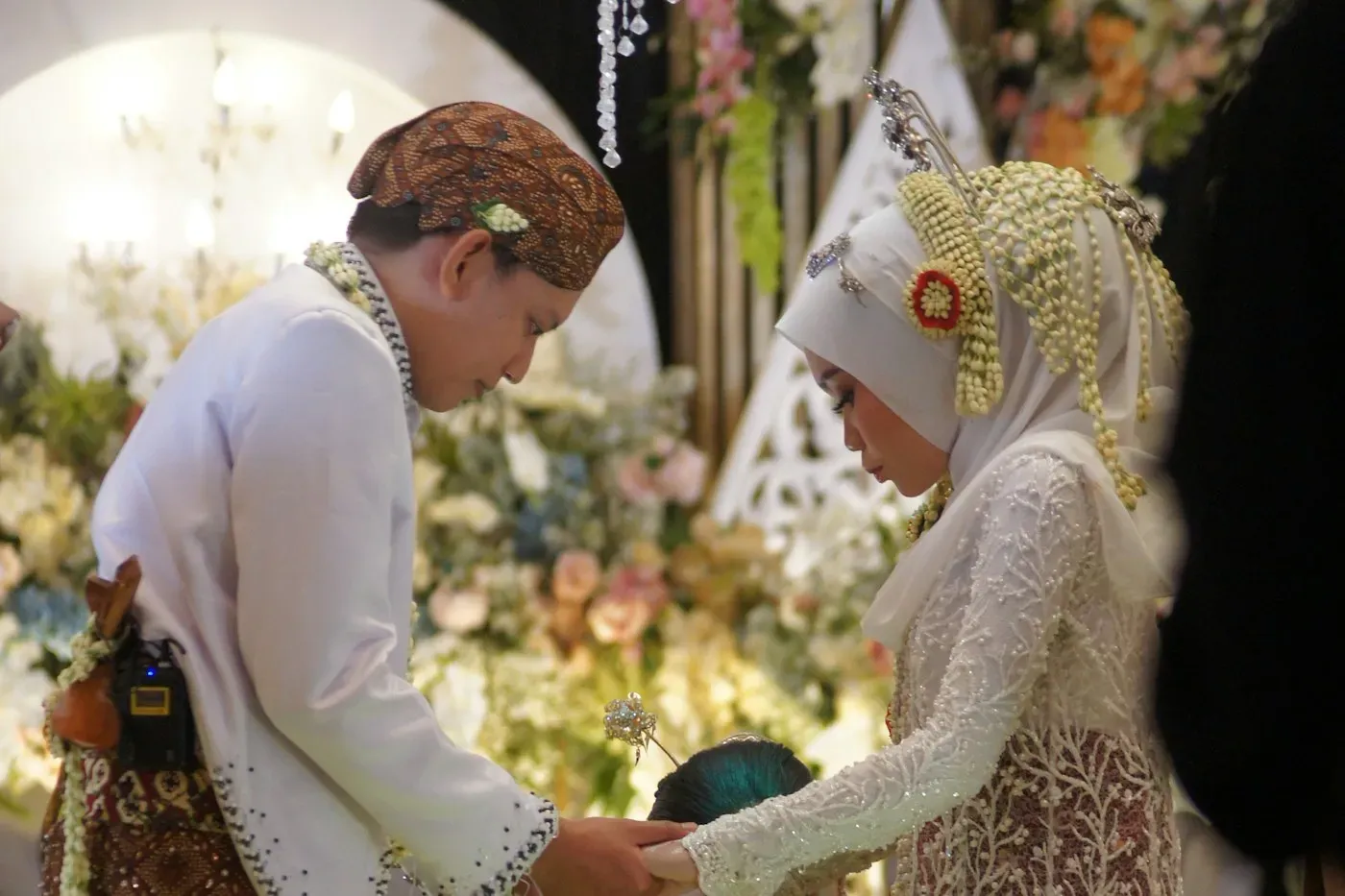
Seserahan is usually presented during the lamaran or midodareni, carried by members of the groom's family in a small procession. Decide in advance who carries each tray and in what order.
A short explanation of each item, spoken by a family elder, turns the moment from a formality into something guests understand and remember.