
Work backwards from the ceremony
Fix the ceremony time first, then count back for makeup, dressing, travel, and photos. Add a buffer of thirty minutes that nobody else knows about.
Protect the quiet moments
Leave room between the ceremony and reception for the couple to breathe, eat something, and simply be together.
- Makeup starts five hours before the ceremony
- Family photos in a single twenty minute block
- A short rest before the reception
Share one version with everyone
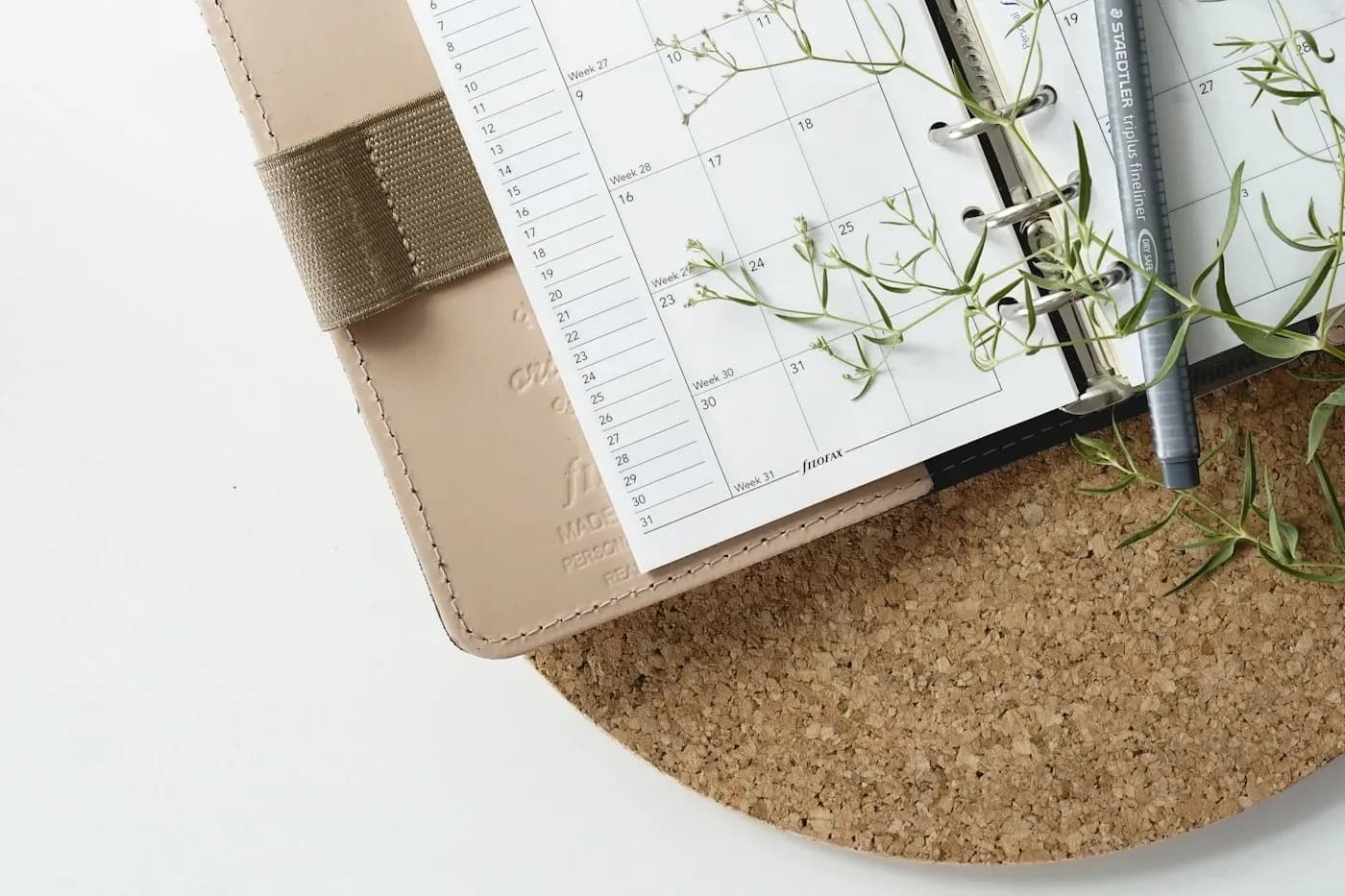
The worst timelines are the ones that exist in five versions. Keep a single master rundown, give it a version number, and send updates to every vendor at the same time.
Each vendor needs only their part, but they should all work from the same clock. A shared document avoids the classic problem of the band and the caterer disagreeing about when dinner starts.
Account for travel and traffic
In Indonesian cities, a fifteen-minute drive can easily take an hour. Check routes at the actual time of day and add generous buffers between the house, the ceremony, and the reception.
If the ceremony and reception are in different places, plan transport for elderly relatives and key family members first, then for the bridal party.
- Test the route at the same hour a week before
- Assign one driver per family car
- Keep a phone list of all drivers
Appoint a timekeeper
The couple should never be the ones watching the clock. Choose a coordinator or a calm friend whose only job is keeping the day on time and making small decisions without asking.
When something runs late, and something always does, the timekeeper decides what to shorten. Usually it is photos or speeches, never the meal or the quiet moments.